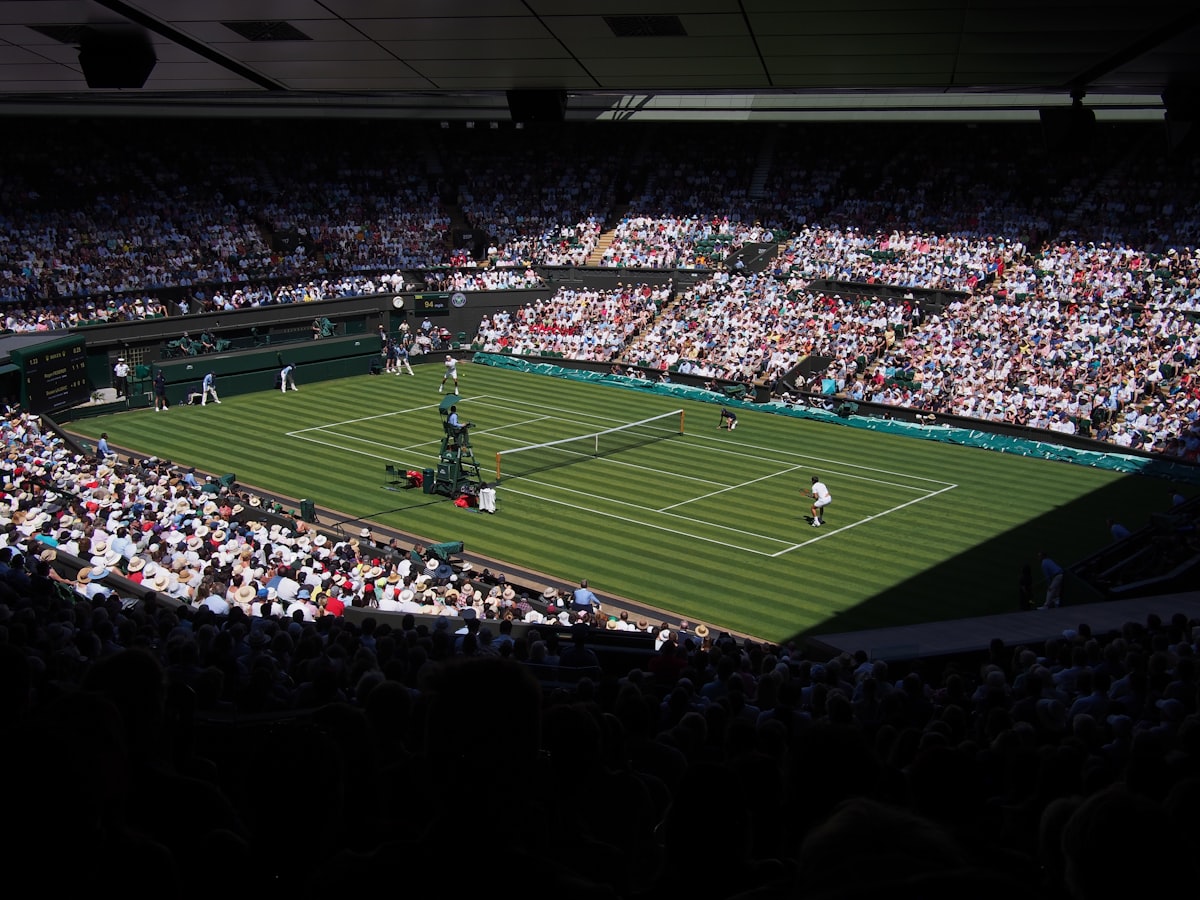
The Australian Open often looks simpler on the surface than it really is. Hard courts reward aggressive baseline quality, but Melbourne also tests how well players manage heat, recovery, and mental sharpness across a long opening fortnight.
Why the Conditions Matter
The best players in Melbourne usually combine:
- efficient first-strike tennis
- stable movement in long baseline patterns
- enough physical depth to survive heavy conditions
That mix is harder to fake than it appears.
The Hard-Court Edge
Players who take the ball early and protect their serve well often gain disproportionate value in Melbourne because the surface rewards clean baseline contact without removing the importance of defense. This is why the title conversation rarely belongs to one archetype alone.
The Real Pressure Point
The deeper the tournament goes, the more recovery becomes part of the analysis. Matches won with excessive physical cost in the first week can quietly reshape the title race long before the semifinals begin.
Editorial Assessment
The 2026 Australian Open should be read as a test of efficient aggression. The most likely champion is the player who can keep baseline pressure high without losing physical clarity under Melbourne's cumulative demands.