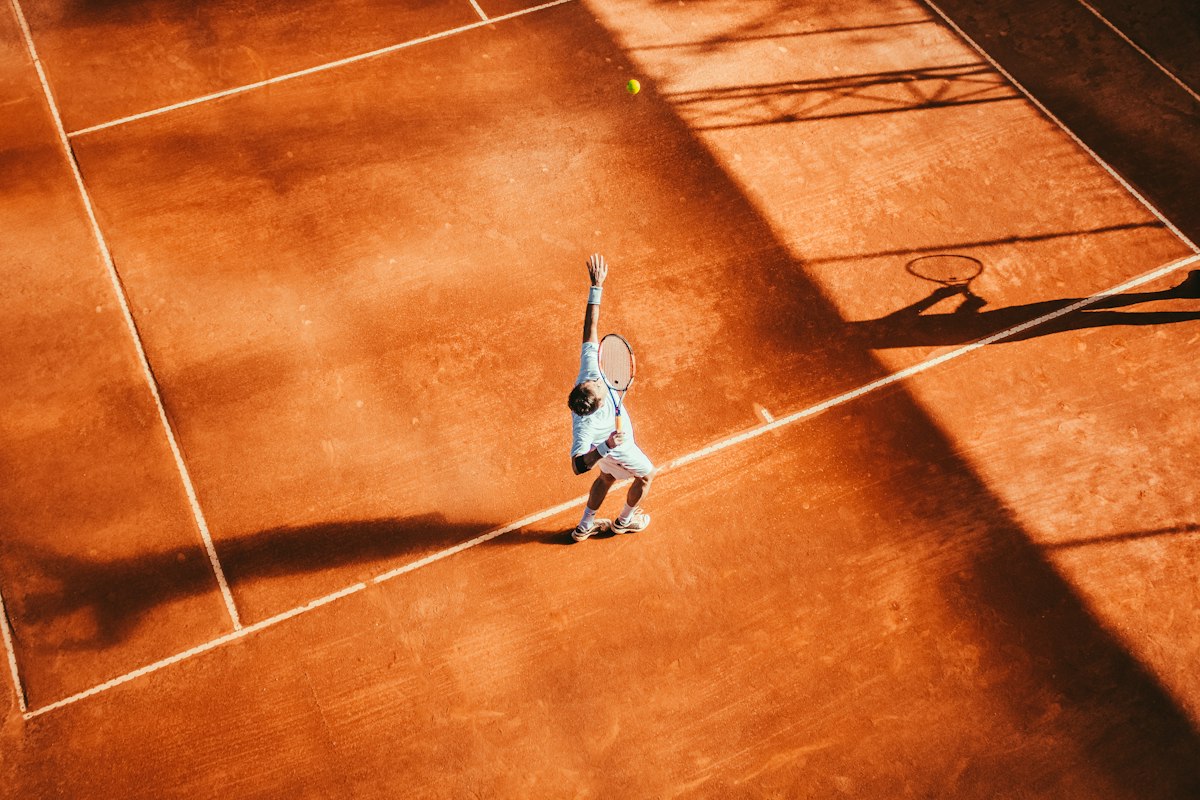
Roland Garros is the Grand Slam that leaves the least room for illusion. Power still matters, but clay asks a deeper question: can a player repeat difficult patterns over four hours without surrendering shape, patience, or confidence on the second serve?
Why Clay Still Filters the Field
The Paris conditions reward more than stroke quality. They reward:
- recovery movement after wide defensive positions
- discipline in rally construction
- tolerance for long return games
- emotional stability when break-point conversion is slow
That is why certain players can look dominant across hard-court stretches and still feel less convincing over two weeks in Paris.
The Profiles That Usually Survive
The strongest Roland Garros contenders tend to combine three qualities:
- enough first-strike power to avoid endless defending
- enough patience to build points without rushing winners
- enough physical depth to stay technically clean late in matches
Clay exposes the gap between explosive tennis and sustainable tennis.
Why the Draw Becomes a Physical Problem
The draw at Roland Garros often becomes less about ranking and more about accumulated workload. A contender who spends too many early rounds in long baseline wars can arrive at the second week with hidden fatigue, even if the scoreboard still looks comfortable.
That is why hold efficiency and short return games matter more than they first appear.
Editorial Assessment
The 2026 Roland Garros title race should be evaluated through physical repeatability, not reputation alone. The real favorite is the player whose movement, patience, and serve protection still hold after seven clay matches, not just the one with the biggest shot quality on paper.